
Primary Source
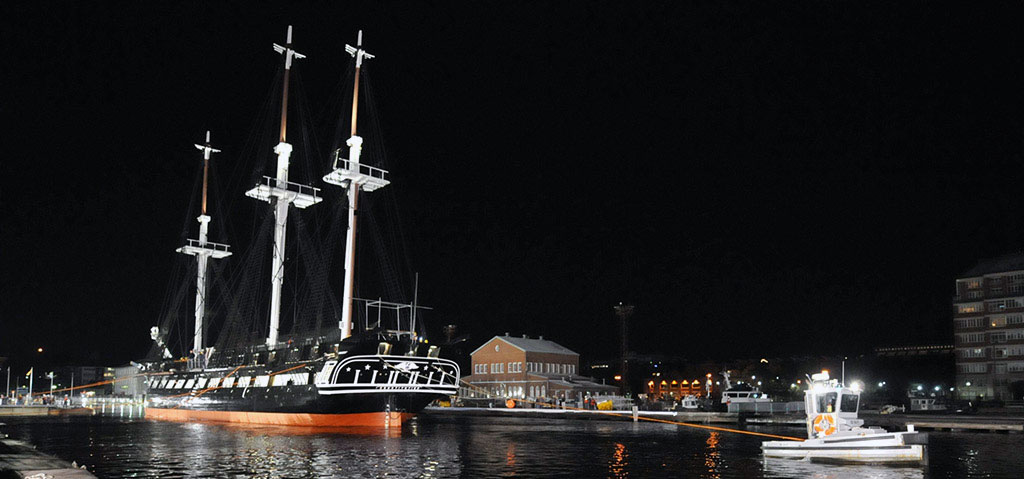
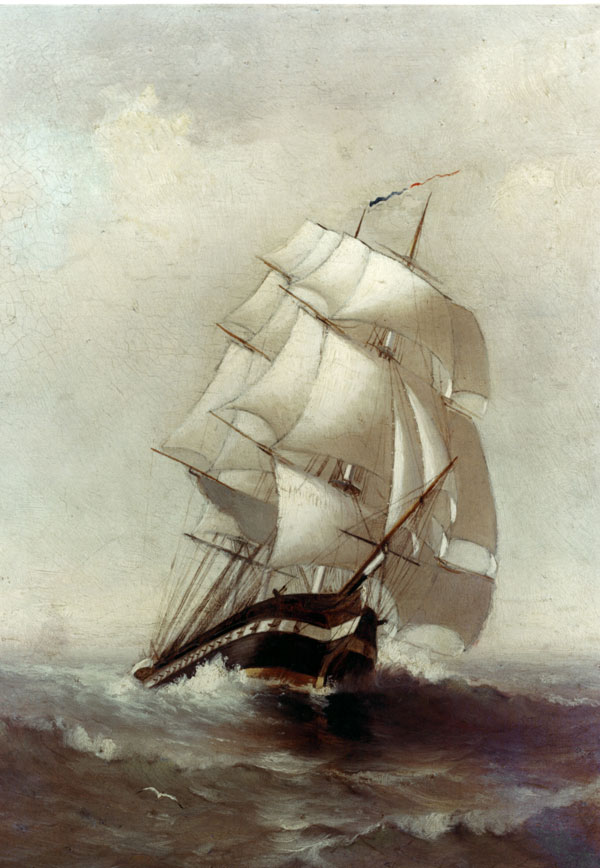
Oliver Wendell Holmes's poem "Old Ironsides" was first printed in the Boston Daily Advertiser, at the time when it was proposed to break up the ship as unfit for service. On Tuesday, September 14, 1830, he wrote a letter to the Advertiser:
It has been affirmed upon good authority that the Secretary of the Navy has recommended to the Board of Navy Commissioners to dispose of the frigate Constitution. Since it has been understood that such a step was in contemplation we have heard but one opinion expressed, and that in decided disapprobation of the measure. Such a national object of interest, so endeared to our national pride as "Old Ironsides" is, should never by any act of our government cease to belong to the Navy, so long as our country is to be found upon the map of nations. In England it was lately determined by the Admiralty to cut the Victory, a one-hundred gun ship (which it will be recollected bore the flag of Lord Nelson at the battle of Trafalgar), down to a seventy-four, but so loud were the lamentations of the people upon the proposed measure that the intention was abandoned. We confidently anticipate that the Secretary of the Navy will in like manner consult the general wish in regard to the Constitution, and either let her remain in ordinary or rebuild her whenever the public service may require.