
Primary Source
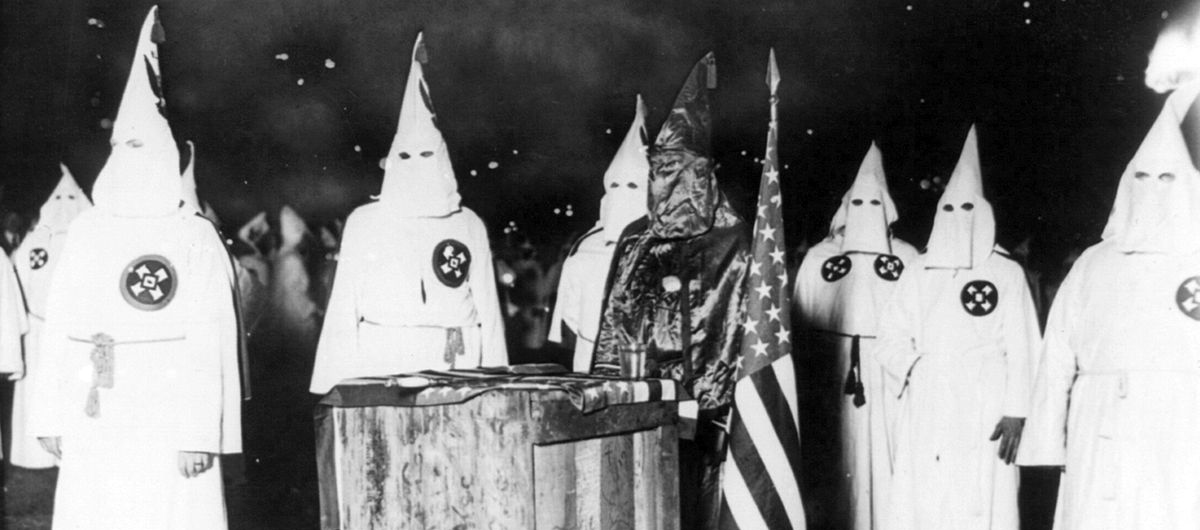
10,000 NEW ENGLAND KLANSMEN WILL HAVE
POLITICAL POWWOW AT GREENDALE TODAY
. . . Today's Klonvocation will be the culmination of several months of preparation in New England to concentrate the influence and voting strength of the order in the coming election. United States Senator David I. Walsh, according to outspoken utterances at Klan headquarters last night, will be the target for several speeches as an aftermath of the Klan affray at Lancaster last July, leaders of the nightshirt forces apparently having ignored the junior senator's statement that his presence in the vicinity of that meeting was purely accidental being due to the fact that he was on his way home to Clinton from a meeting in Gardner.
[Boston] Mayor James M. Curley's avowed hatred of the Klan and his alleged interference with several of their meetings in various parts of the state will also be offered up for the Klan's political attack. . . .
Reports from Springfield said that at least 1000 Klansmen with relatives would represent Western Massachusetts at the Worcester Klonvocation today. Three hundred of these will be from Springfield. At the big evening ceremonial period the Klan of Blandford composed of 85 per cent of the town will come in force as will members of other towns in Western Massachusetts. . . .
Chief Charles L. McCarthy of the fire department said yesterday that he had granted a permit to display fireworks at the grounds tonight. This was believed to refer to the lighting of the fiery cross at the conclusion of the initiation ceremonial tonight and not for any conventional display of fireworks.
Worcester Telegraph and Gazette, October 18, 1924.