
Primary Source
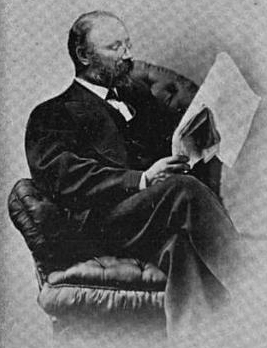
Mr. King, of the well known firm of King & Allen, Aeronauts, has furnished us with the following account of his recent trip in company with Mr. Black, which is attracting so much interest in scientific circles at the present time:
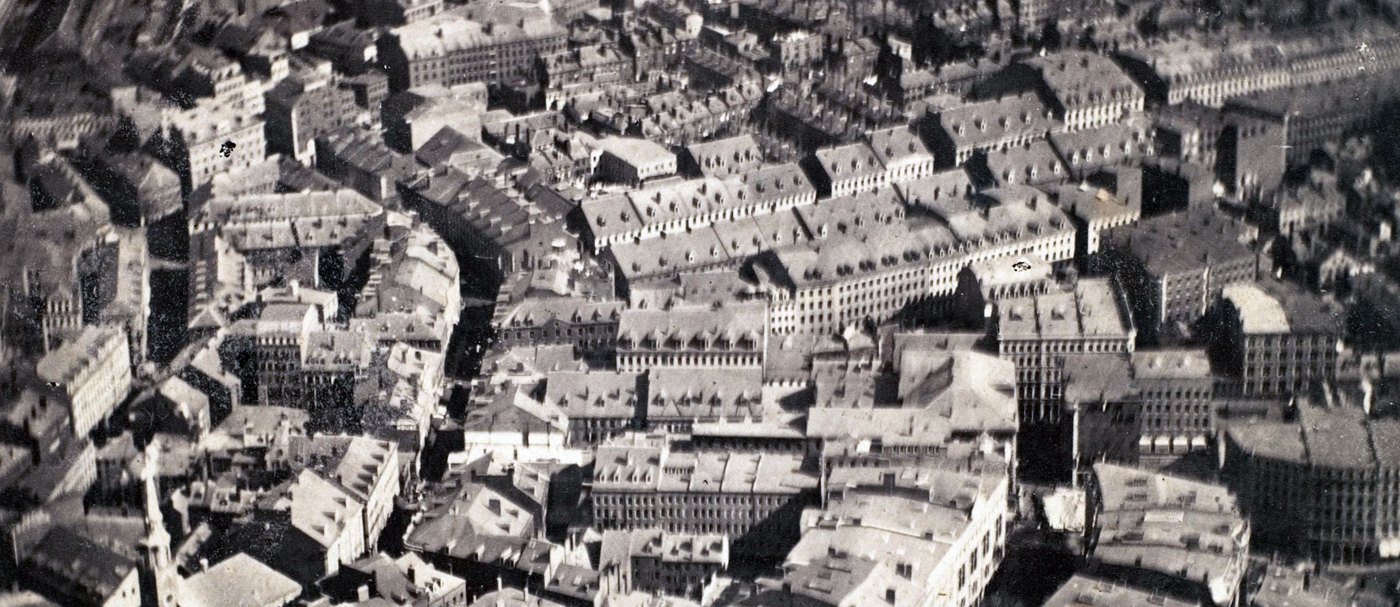
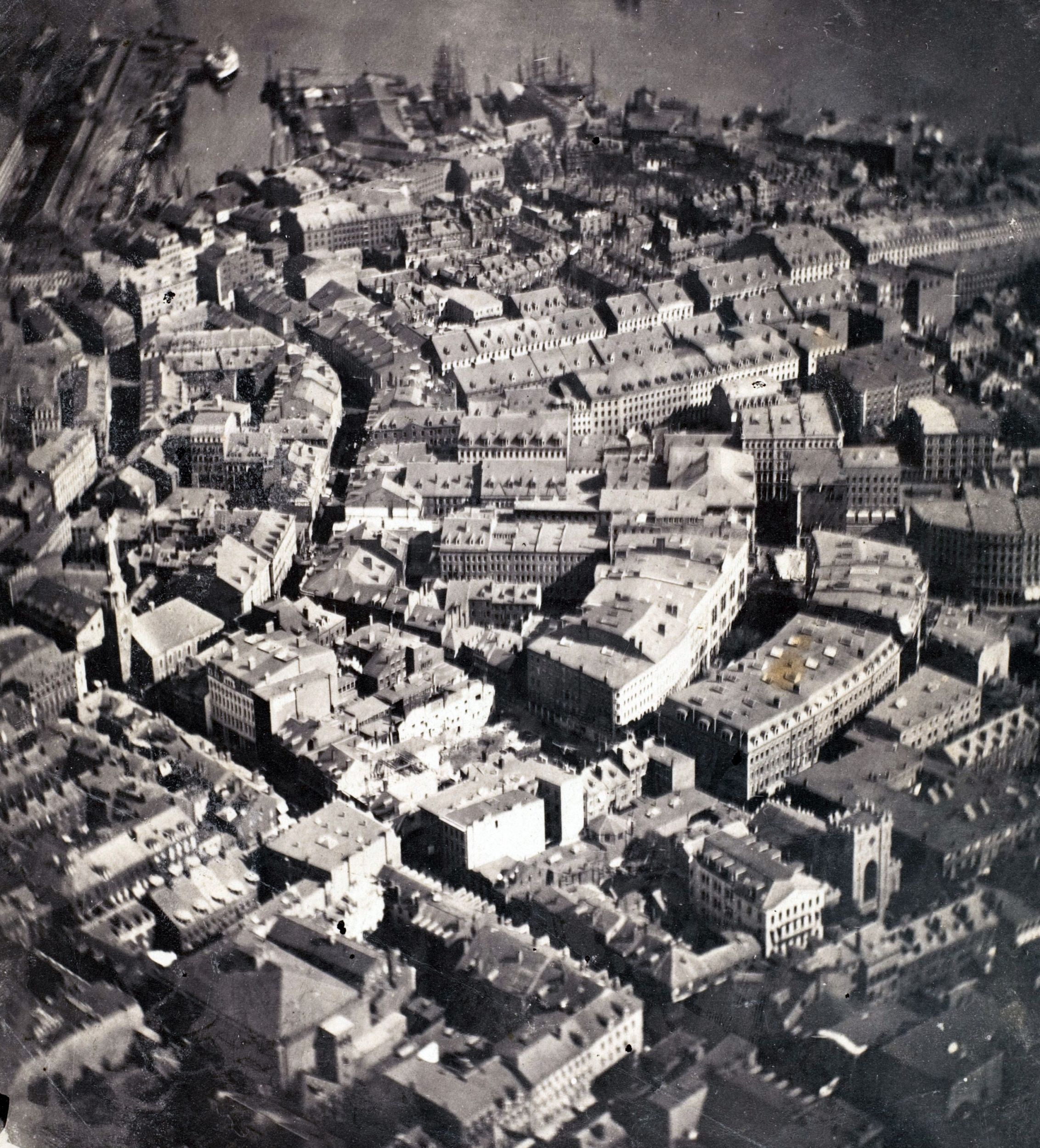
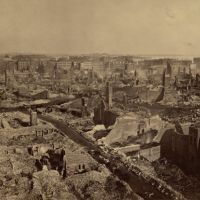
MESSRS EDITORS: . . . on Saturday last, --the prospects of a fair day being very flattering, --Mr. Black, the eminent photographic artist of the firm of Black and Batchelder, and I . . . ascended together. First of all, we arose 1200 feet — by means of a stout rope attached to a windlass — and while remaining stationary at this height, succeeded in getting some fine views of different parts of Boston.
But we wished to get more extended views than could be obtained at such a height, and so after being drawn down, and detaching the rope, we ascended in the usual manner. Soon an expansive field was opened to us, and we hoped to be able to secure some of the magnificent scenes which now we scanned. Everything was in readiness, and an attempt was made to take the city that was now sitting so beautifully for her picture.
But just at this time we encountered a difficulty which had never before suggested itself. The gas, expanding as the balloon rose, . . . filled the surrounding atmosphere, penetrating even into the camera, neutralizing the effect of the light, and turning the coating on the glass plate to a uniform dark brown color. Several plates were spoiled in this manned before we discovered the cause; by which we lost much very precious time, as we were rapidly drifting away in a southerly direction. Soon after, the balloon reached an altitude above the clouds — which were already quite numerous and gathering fast. For some moments we lost sight of the city and the surroundings, and when we again descended below the mist, our distance from Boston was too great to make it worth while trying to get any more views of that locality….
Finding it impossible to carry our experiments any farther, the apparatus was secured, the tent dropped, and the balance of the voyage was devoted to pleasure.
The scenery was truly magnificent. On our left lay the Atlantic, stretching far away to an immense distance until it was finally lost in the clouds. Cape Cod was distinctly seen, though it looked like but a curved strip of sandy beach. . . . Boston and all the adjacent towns were still plainly visible; innumerable villages were seen sprinkled over the landscape; bays, lakes and rivers showed their silvery faces, and the forests, with their gorgeous autumnal garb, revealed beauties which added greatly to the effect of the scene….
The view we succeeded in taking can be seen at Black & Batchelder's rooms, 174 Washington street.
Neither Mr. Allen or I have ever had any faith in the wild propositions that have heretofore been advanced, and it is certainly a settled fact that the balloon of the present day, no matter what its size, can never be used to navigate with any greater precision than has been done already. The worse than fool hardy scheme of crossing the Atlantic is another overreach of these visionaries, and can never be accomplished while the laws of nature remain the same. . . .
SAMUEL A. KING